

Call Us
One of the greatest benefits of attending daycare is the opportunity for children to build meaningful relationships with others. Every day, toddlers and preschoolers learn how to communicate, cooperate, solve problems, and develop friendships that help shape their emotional and social growth.
However, these skills are not learned overnight. Children are still discovering how to express their feelings, take turns, share, and understand different perspectives. As a result, disagreements and misunderstandings are a normal part of growing up.
The good news is that every conflict presents an opportunity to teach valuable life skills. With encouragement from parents and educators, children can learn positive ways to communicate, cooperate, and resolve disagreements with confidence.
Children grow into the intellectual life around them.
Lev Vygotsky Tweet
If you’re looking for a complete guide to understanding and managing everyday behaviour challenges, read our article on how to handle daycare conflicts, where we explain why conflicts happen and how parents and educators can work together to support children’s social and emotional development.
Healthy communication begins with responsive interactions between children and caring adults. The Harvard Center on the Developing Child’s “Serve and Return” resource explains how these everyday back-and-forth interactions help build the communication and social skills children need throughout life.
Social skills are much more than learning to play nicely with others. They are essential life skills that influence how children build relationships, solve problems, and manage emotions throughout their lives.
During the toddler and preschool years, children begin developing the ability to:
These abilities form the foundation for success in kindergarten, school, and future relationships.
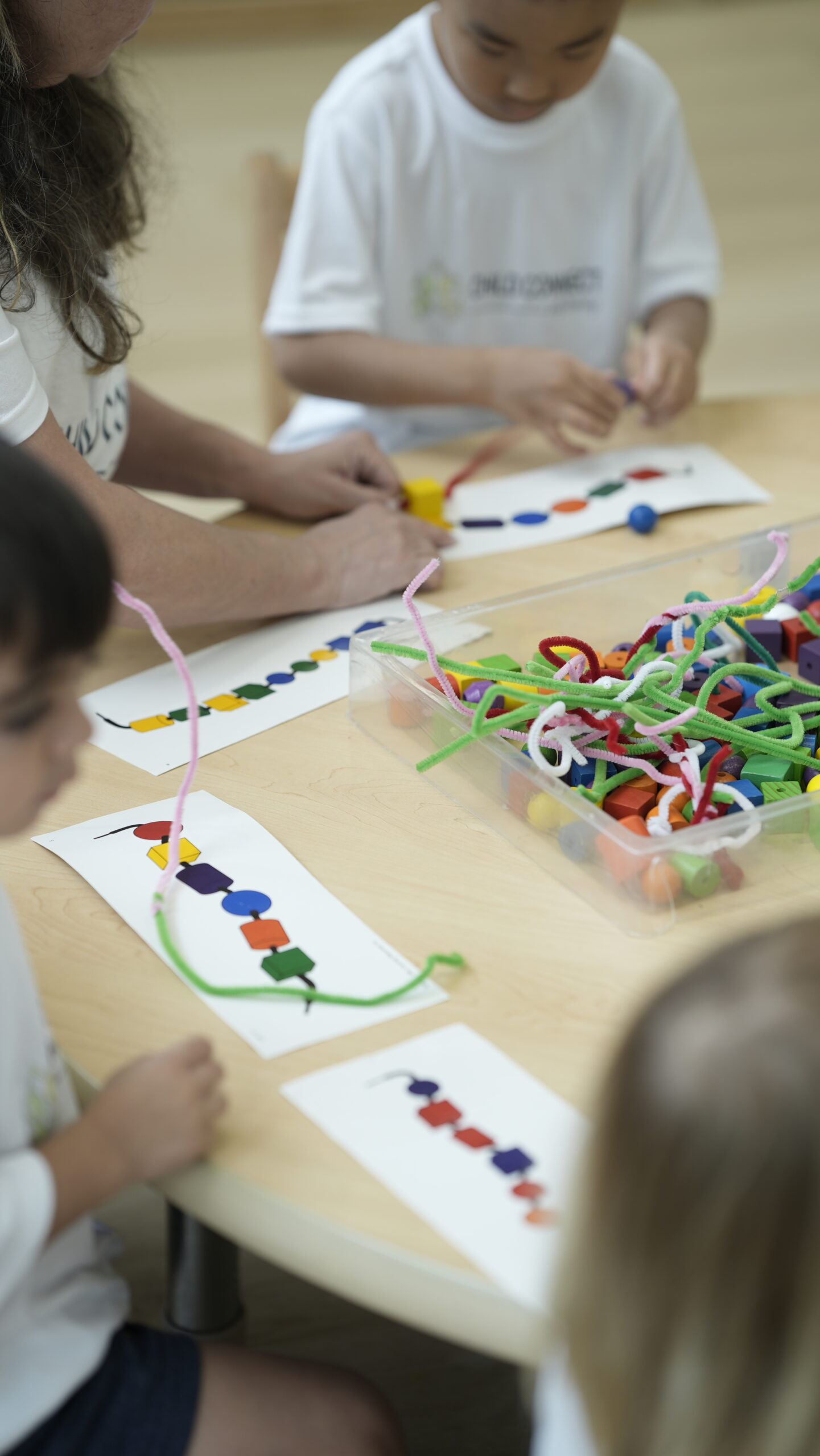
At a quality early learning centre, children have daily opportunities to practice these skills through structured activities, guided play, and positive interactions with peers and educators.
Parents are often surprised when they hear that their child had difficulty playing with friends.
In reality, young children are still learning:
Conflict does not mean children lack social skills—it means they are still developing them.
With consistent guidance, children gradually become more confident and cooperative.
One of the most effective ways children develop social skills is through play.
Play allows children to naturally practice:
Rather than simply telling children how to behave, educators create opportunities for them to experience positive social interactions in meaningful ways.
At Child Connect Early Learning, our play-based learning philosophy encourages children to explore, collaborate, and learn from one another while developing confidence and independence.
Sharing is one of the first social skills children begin developing in daycare.
Although adults often expect sharing to come naturally, it actually requires several developmental abilities, including:
Parents can reinforce these skills at home by:
These everyday experiences help children transfer those skills into the daycare environment.
Empathy is the ability to recognize and understand another person’s feelings.
Young children are still learning this important skill.
Parents and educators can encourage empathy by asking questions such as:
These conversations teach children that their actions affect others and help them develop stronger friendships.
Building empathy also reduces many common daycare conflicts because children begin considering the feelings of those around them.
Many disagreements occur because children simply do not know how to express themselves.
Instead of:
children can learn simple phrases such as:
Parents who practice these conversations at home often see improvements in their child’s confidence and communication skills.
Rather than solving every disagreement for children, parents and educators should guide children toward discovering solutions themselves.
For example, when two children want the same toy, adults might ask:
These conversations strengthen problem-solving and encourage children to become independent thinkers.
This approach aligns closely with Montessori education, which encourages children to develop responsibility and confidence through guided independence.
The Reggio Emilia philosophy views children as capable learners who develop through relationships, collaboration, and communication.
Educators encourage children to:
Instead of viewing conflict as something negative, educators use disagreements as opportunities to help children develop stronger communication and relationship-building skills.
Positive behaviour develops gradually through encouragement rather than punishment.
Parents and educators can reinforce positive choices by celebrating behaviours such as:
Children who receive positive reinforcement are more likely to repeat these behaviours.
Every small success contributes to long-term confidence and healthy social development.
At Child Connect Early Learning, helping children develop social skills is just as important as supporting their academic growth.
Our educators create opportunities for children to:
Using Montessori-inspired activities, Reggio Emilia principles, and play-based learning, we guide children through everyday interactions that build confidence, resilience, and cooperation.
We proudly support families throughout North Vancouver, West Vancouver, and surrounding communities by providing a nurturing environment where every child feels valued, respected, and encouraged to grow.
Strong social skills help children communicate effectively, build friendships, cooperate with others, and adapt more easily to school environments.
Encourage playdates, model respectful communication, practice sharing at home, and praise positive interactions with others.
Yes. Disagreements are a natural part of learning. With guidance from parents and educators, children gradually develop healthy conflict-resolution skills.
Developing strong social skills is one of the most important parts of early childhood. Through everyday experiences, children learn how to communicate, cooperate, solve problems, and build meaningful friendships that will support them throughout their lives.
While disagreements and misunderstandings are a natural part of learning, they also provide valuable opportunities to teach empathy, respect, and teamwork. By working together, parents and educators can help children develop the confidence and emotional intelligence they need to navigate social situations successfully.
At Child Connect Early Learning, we believe every interaction is a chance to learn. Through our play-based learning environment, Montessori-inspired philosophy, and Reggio Emilia approach, we help toddlers and preschoolers develop the skills they need to become kind, confident, and capable members of their community.